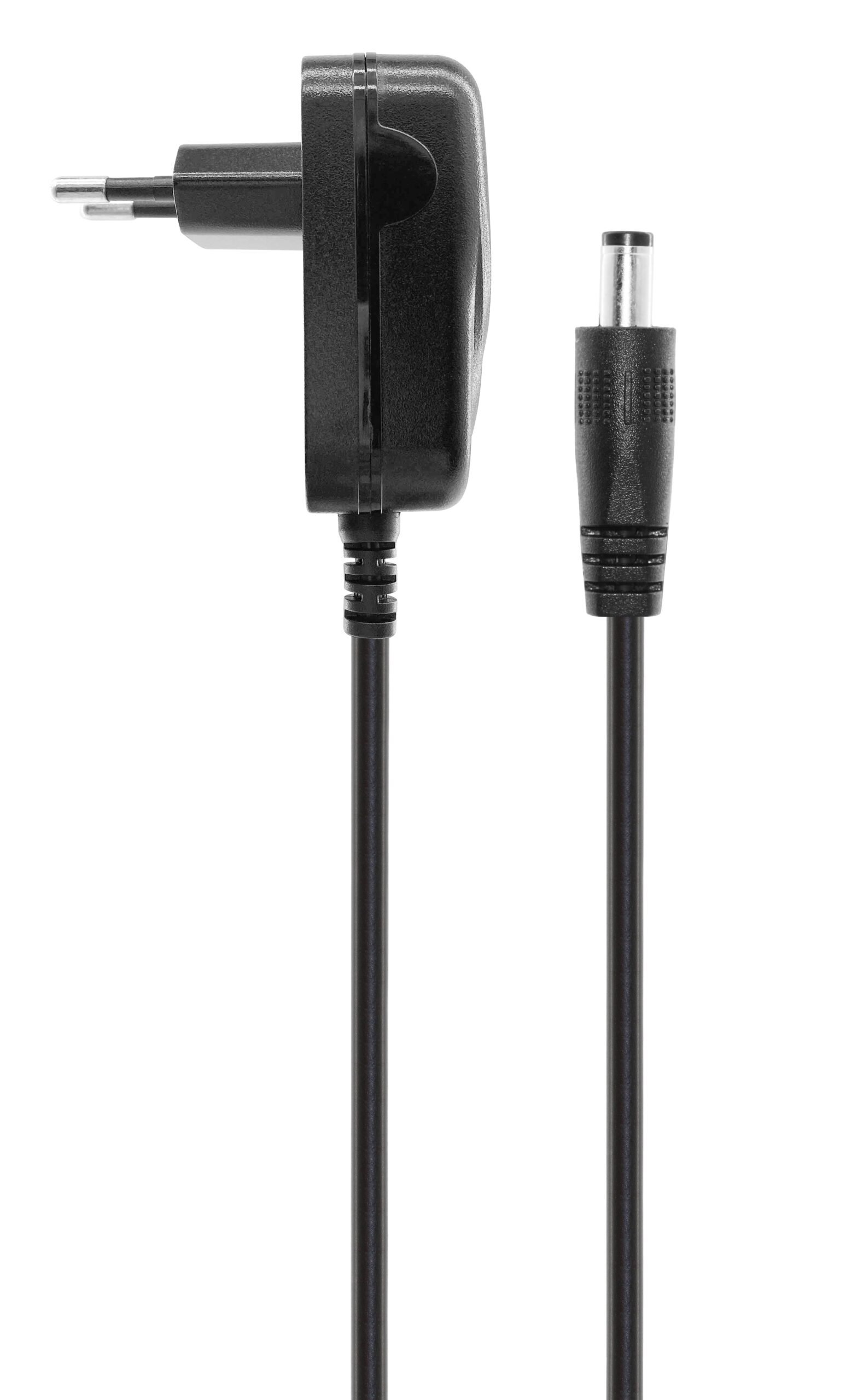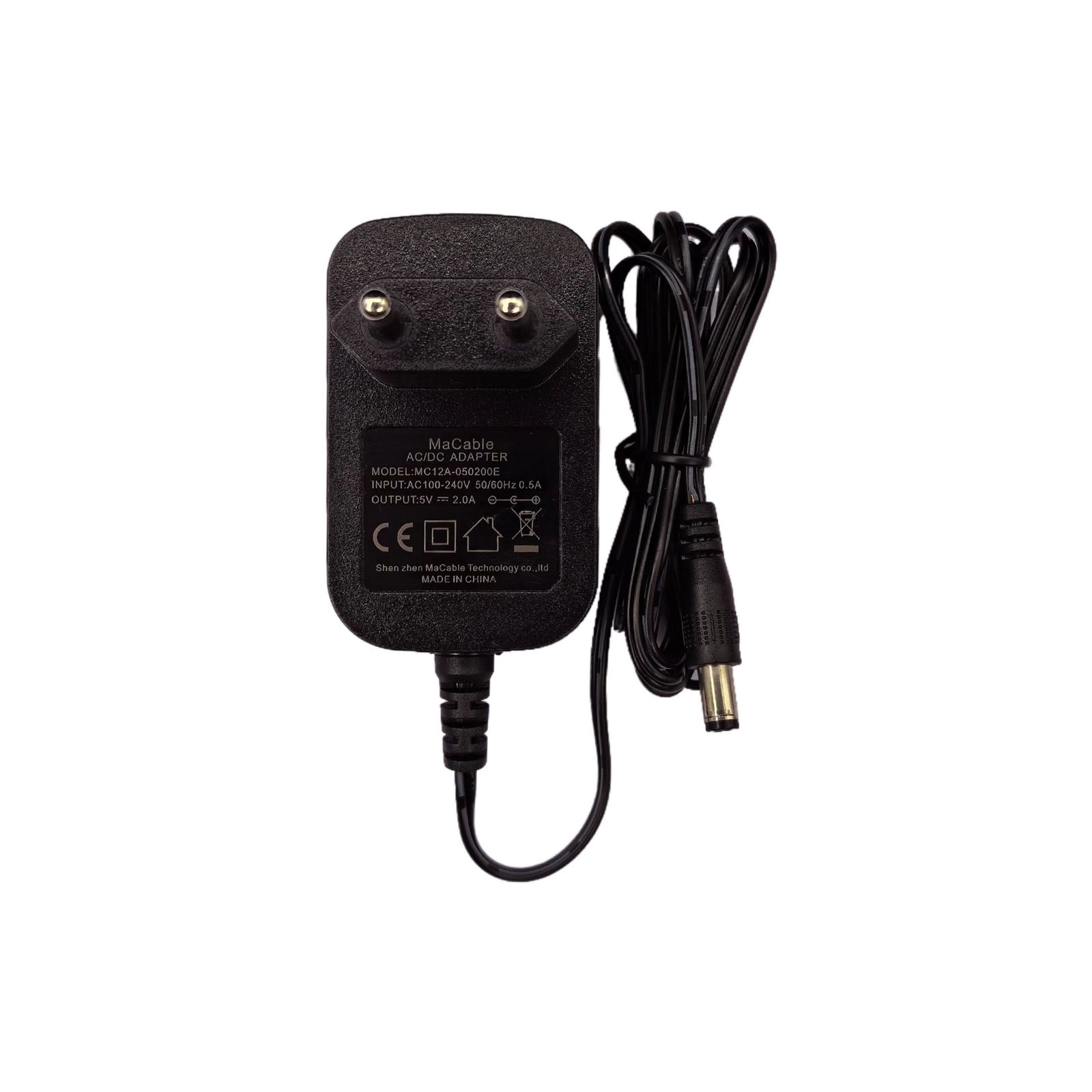


When sourcing power adapters, many buyers eventually face a practical question: should they choose an existing standard power adapter, or develop a custom OEM adapter based on their own device and market requirements?
There is no single answer that fits every project. Different buyers place different priority on cost, lead time, branding, certification, long-term supply stability, and market planning. Choosing the right supply route can affect not only the current order, but also future mass production, market rollout, and after-sales management.
What is a standard power adapter?
A standard power adapter usually refers to an existing platform model with established electrical design, housing structure, and production process. Buyers select the most suitable version from available specifications rather than developing everything from the beginning.
The advantages of a standard solution are clear:
- shorter development cycle
- easier sample arrangement
- lower entry barrier for order quantity
- more controllable cost
- suitable for trial use, testing, and small-to-medium volume projects
If your project is still in the evaluation stage, or if you simply need a mature adapter to support a standard product, a standard solution is often the faster and more economical choice.
What is a custom OEM adapter?
A custom OEM adapter is developed or adjusted based on the buyer’s product and market requirements. In many cases, it still uses a mature power platform, but includes more project-specific customization in areas such as housing, labeling, cable, connector, plug type, packaging, or certification planning.
Common customization items include:
- output specification
- AC plug type
- DC connector
- cable length
- housing color
- label and logo
- packaging design
- multi-market certification arrangement
For brand owners, device manufacturers, and long-term project buyers, an OEM solution often provides better alignment with both product positioning and supply chain planning.
When a standard adapter is the better choice
A standard adapter is often more suitable in the following situations.
The project is still in testing or pilot stage
If you are still validating compatibility or testing market response, a standard adapter platform can help move the project faster.
Brand appearance is not a major concern
If the adapter is simply used as a functional accessory and does not need to reflect your own brand identity strongly, a standard version is often sufficient.
Order quantity is still limited
When the order volume is still small, entering a deeper OEM route too early may add unnecessary cost and communication effort. In such cases, a standard model is usually more practical.
Lead time and sourcing efficiency matter most
Standard models often offer more predictable sample and production timing, which is valuable for short-cycle projects or urgent replenishment.
When an OEM adapter is the better choice
A custom OEM adapter becomes more suitable in the following situations.
You have your own brand and retail presentation
If the adapter will be sold together with your device, or if consistent brand presentation is important, then private label, customized housing, or customized packaging may be worthwhile.
Your device has specific configuration requirements
Special cable length, connector type, plug standard, label format, or regional version planning are usually easier to manage through an OEM solution.
The project is intended for stable long-term supply
Once the project moves into regular volume purchasing, OEM can help standardize the product more effectively in terms of supply stability, packaging, certification, and brand consistency.
The product will be sold in multiple regions
If your project covers the US, Europe, the UK, Australia, or other regions with different plug and compliance requirements, OEM planning often makes multi-market management easier.
Total sourcing cost is not only about unit price
When buyers compare standard and OEM solutions, they often focus only on the unit price. In reality, total sourcing cost also includes:
- sample lead time
- communication efficiency
- certification preparation
- packaging revision
- rework risk
- market compliance cost
- long-term supply consistency
In some projects, a standard solution may look cheaper at first, but later cause higher cost because the label is unsuitable, the connector is wrong, or the certification is incomplete. On the other hand, moving into OEM too early for a small project may also create an unnecessary cost burden.
A practical way to decide
If you are not sure which solution fits your project better, it helps to ask the following:
- Is the project still in testing stage, or already moving into stable shipment?
- Does the adapter need to reflect your brand?
- Are there clear plug, cable, label, or packaging requirements?
- Is the product intended for one market or multiple regions?
- Is there a long-term purchasing plan?
- Are specific certifications required by the customer or sales channel?
If most of the answers point toward simplicity, speed, off-the-shelf availability, and lower initial volume, a standard adapter is usually the better choice. If the answers point toward branding, long-term planning, multi-market management, and product consistency, an OEM solution is often more suitable.
Conclusion
Standard power adapters and custom OEM adapters are not a question of which one is universally better. The real issue is which one is better for your current project stage. For testing and smaller-volume sourcing, a standard solution is often more efficient. For branded supply, long-term projects, and multi-market business, OEM usually offers better long-term value.
If you are evaluating which sourcing route to take, feel free to share your device specification, target market, branding requirement, certification expectation, and order quantity. Based on your project stage, we can recommend a more suitable standard model or OEM adapter solution.
FAQ
1. What is the main advantage of a standard power adapter?
A standard adapter usually offers faster sampling, lower development complexity, and more efficient sourcing for smaller or early-stage projects.
2. What is the main advantage of a custom OEM adapter?
An OEM adapter gives buyers more flexibility in branding, connector choice, packaging, certification planning, and long-term supply consistency.
3. Is OEM always better than a standard model?
No. OEM is not always necessary. For trial orders, market testing, or simple applications, a standard model may be more practical.
4. When should buyers seriously consider OEM development?
OEM is more suitable when the project involves private label, special connector requirements, multi-country sales, or long-term batch purchasing.
5. Does OEM always mean higher total cost?
Not necessarily. Although OEM may involve more planning at the beginning, it can reduce long-term rework, branding inconsistency, and market compliance issues.
6. How can buyers decide between standard and OEM?
The decision should be based on project stage, quantity, branding needs, market coverage, certification expectations, and long-term supply goals.