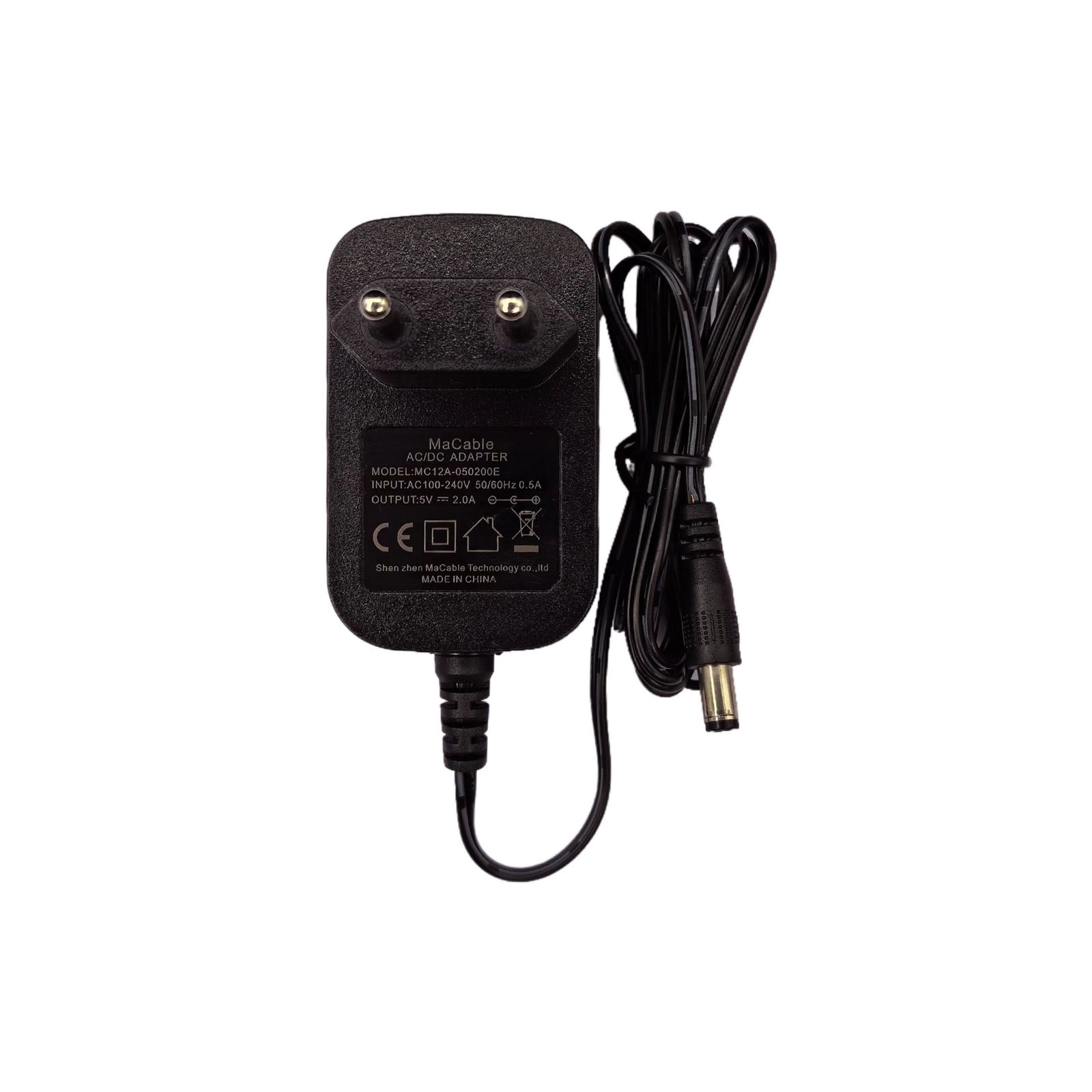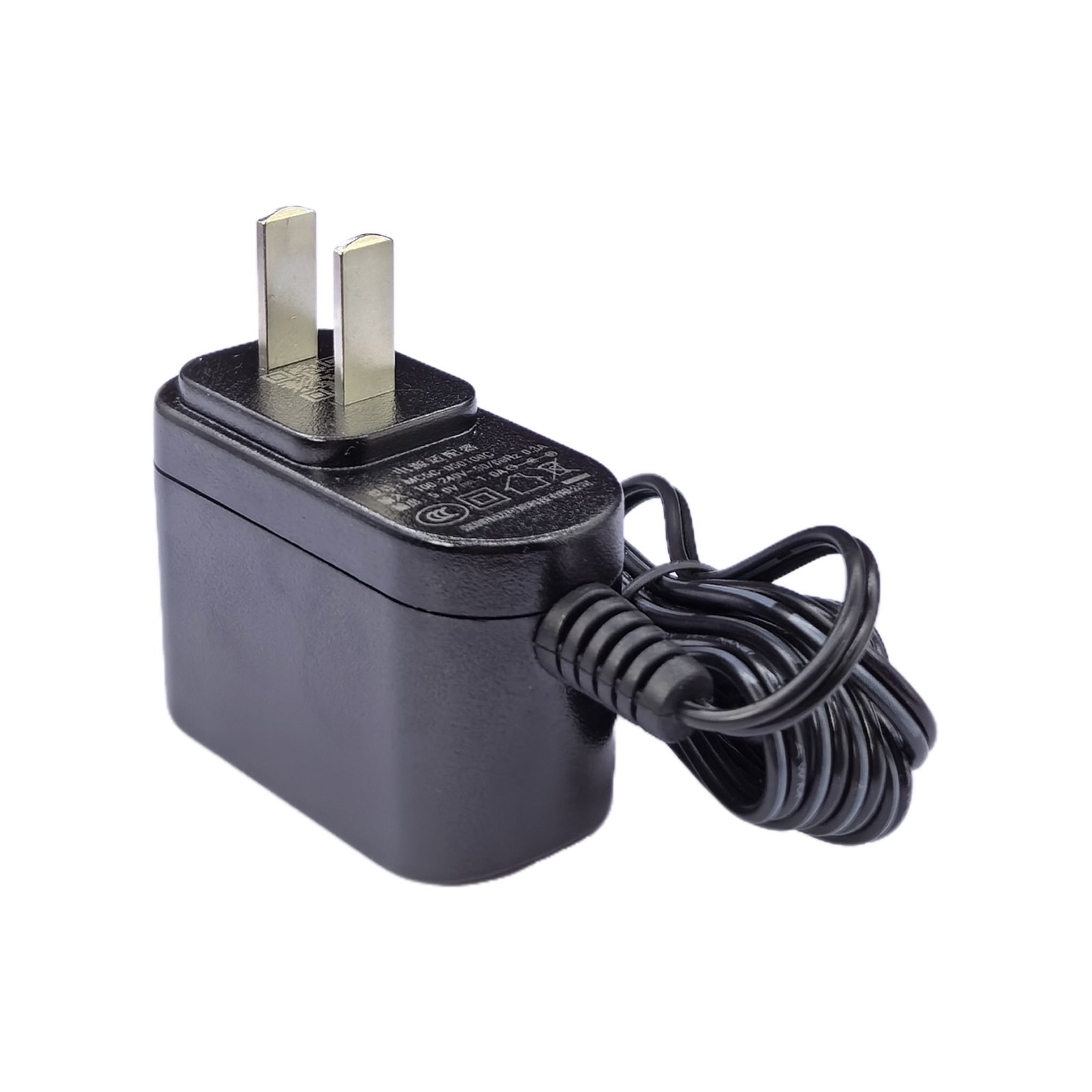


In power adapter sourcing, many buyers focus mainly on voltage, current, and price. However, the issues that most often lead to returns, installation failure, and after-sales problems are often the smaller details, such as DC plug size, cable length, and polarity. If these points are not confirmed clearly, even an adapter with the correct voltage and current may still fail in actual use.
For importers, brand owners, and equipment buyers, clarifying these three basic parameters early is one of the most effective ways to improve sourcing accuracy and reduce project risk.
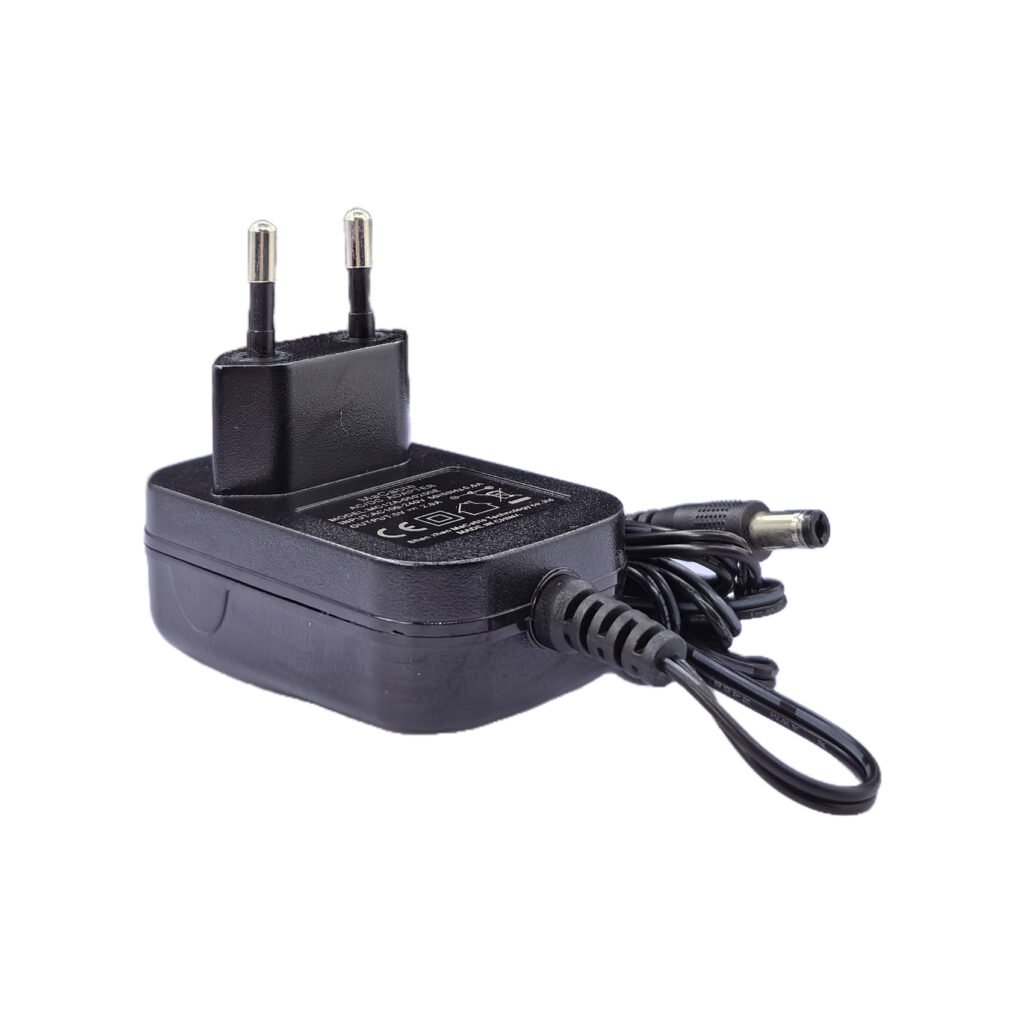
Why DC plug size should never be guessed
Many DC power adapters use barrel connectors that look very similar from the outside, but their actual dimensions may differ. Common sizes include:
- 5.5 × 2.1 mm
- 5.5 × 2.5 mm
- 4.0 × 1.7 mm
- 3.5 × 1.35 mm
If the plug size does not match the device input port, several problems may occur:
- the connector cannot be inserted at all
- the connector fits loosely
- power connection becomes unstable during use
In bulk projects, even a small mismatch can lead to costly returns, delayed delivery, and additional warehouse handling.
For this reason, importers should avoid vague requests such as “standard DC plug.” It is much better to provide a clear connector size whenever possible. If exact dimensions are not known, a photo of the original adapter or the device power port can still help the supplier identify the likely match.
Cable length is not simply “the longer, the better”
When the installation environment is not fully defined, some buyers prefer a longer cable because it feels more flexible. In reality, cable length should be selected based on the actual use scenario.
If the cable is too short, installation becomes inconvenient, especially for wall-mounted devices, cabinet installations, or equipment placed inside control boxes. If it is too long, it may cause:
- larger packaging size
- higher material cost
- less convenient cable management
- lower warehousing and shipping efficiency
- a less organized end-user experience
Common cable lengths include 1.0 m, 1.2 m, and 1.5 m, but custom lengths are also possible. If the installation position is already known, cable length should be finalized during the sample stage rather than changed later in production.
Incorrect polarity can damage the equipment
Polarity is one of the most easily overlooked items in adapter sourcing, but it carries a high level of risk. Many devices use center positive polarity, but that should never be assumed without verification. If the wrong polarity is used, the device may fail to start or even suffer permanent damage.
To avoid this, buyers should clearly indicate:
- center positive
- center negative
- or provide a photo of the original adapter label
For importers without in-house technical support, this step is especially important because polarity cannot always be identified from appearance alone.
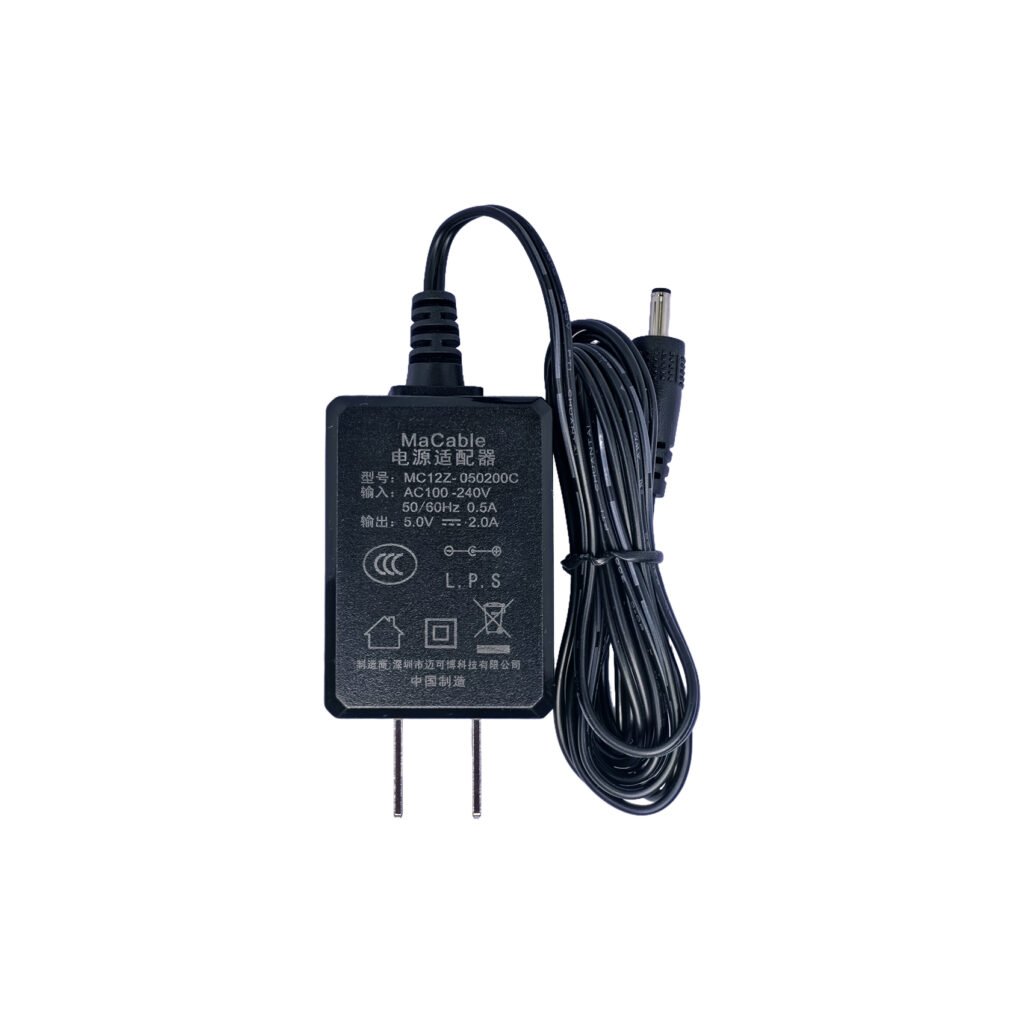
These details also affect quotation
Some buyers treat DC plug size, cable length, and polarity as minor notes, but in reality these details directly affect quotation and production planning. For example:
- different connector types require different materials
- different cable lengths affect material usage and packaging volume
- special polarity or connector requirements may change the production setup
- customized versions may require additional sample confirmation
If these details are not defined at the quotation stage, the supplier may only be able to provide a reference price. Once the specification changes later, both price and lead time may change as well.
The most practical way for importers to confirm specifications
To reduce the risk of mistakes, it is helpful to prepare the following before requesting a quotation:
- photo of the original adapter label
- photo of the device rating label
- close-up photo of the power input port
- required cable length
- polarity information or symbol
- target market and estimated quantity
These materials do not need to be complex, but they can significantly improve model matching efficiency.
Standard sourcing and OEM projects focus on different points
If you are buying a standard adapter, the main goal is to match an existing model quickly and correctly. If you are working on an OEM project, it is better to confirm all key details as early as possible, including:
- connector type
- cable specification
- cable length
- polarity
- label content
- packaging format
This helps improve sample accuracy and supports more stable mass production later.
Conclusion
For importers, DC plug size, cable length, and polarity are not minor details. They are essential parameters that determine whether the adapter will truly fit the equipment and the market requirement. Clarifying them early can reduce trial-and-error cost and help suppliers provide more accurate quotations and better-matched solutions.
If you are sourcing power adapters, feel free to send us your device interface photos, output requirement, cable length, polarity information, and estimated quantity. Based on your application, we can recommend a suitable standard version or a more customized OEM configuration.
FAQ
1. Why is DC plug size so important?
Because even with the correct voltage and current, the adapter may still not fit or may connect poorly if the plug size is wrong.
2. What are common DC plug sizes?
Common sizes include 5.5 × 2.1 mm, 5.5 × 2.5 mm, 4.0 × 1.7 mm, and 3.5 × 1.35 mm.
3. Is a longer cable always better?
No. A longer cable may increase cost, packaging size, and cable management difficulty. The right length should match the installation environment.
4. What happens if polarity is wrong?
Incorrect polarity may prevent the device from working or may even damage the internal circuit.
5. What if the buyer does not know the connector specification?
A photo of the original adapter, device input port, or product label can still help confirm the likely connector type.
6. Do these details affect the quotation?
Yes. Connector type, cable length, and polarity may all influence material choice, pricing, and lead time.