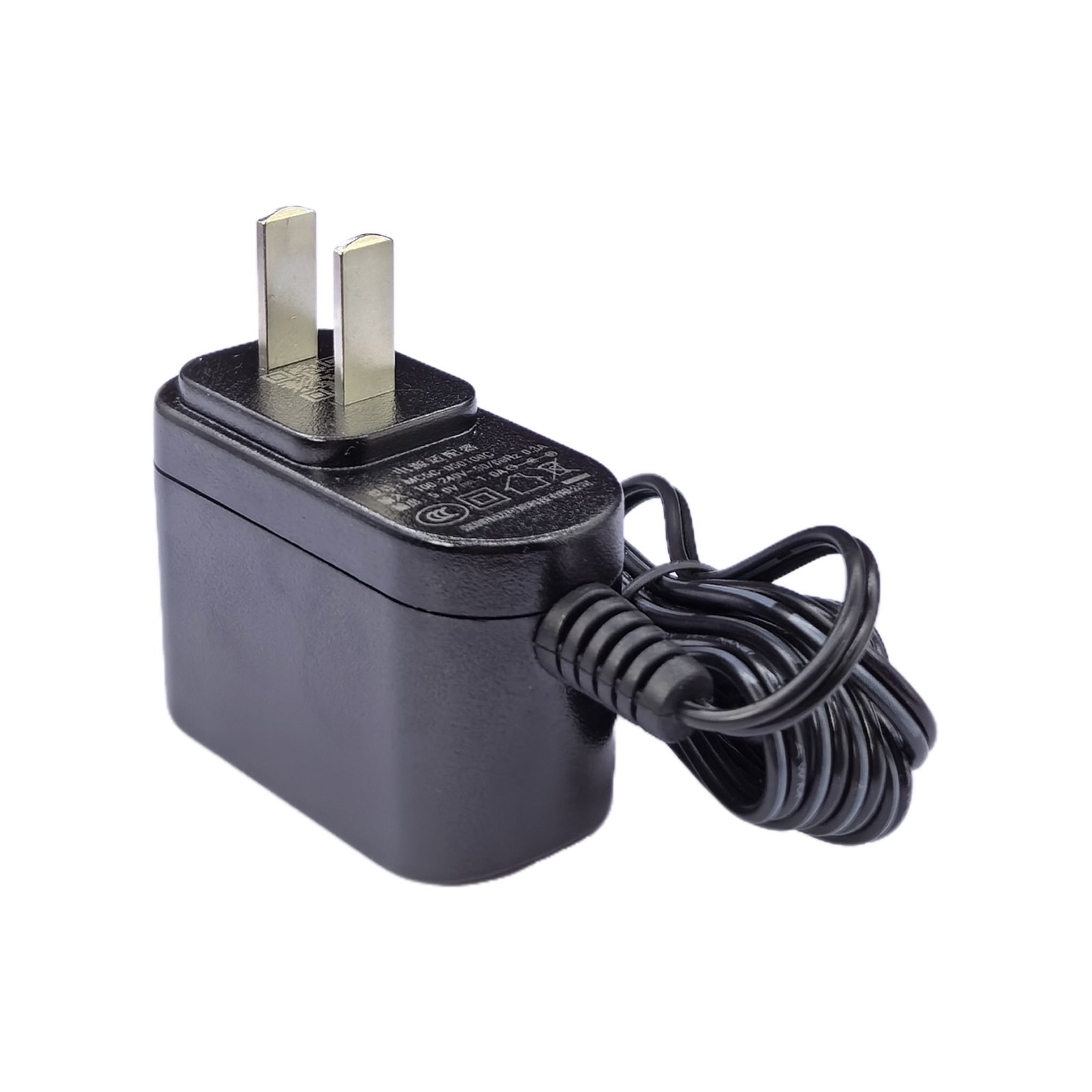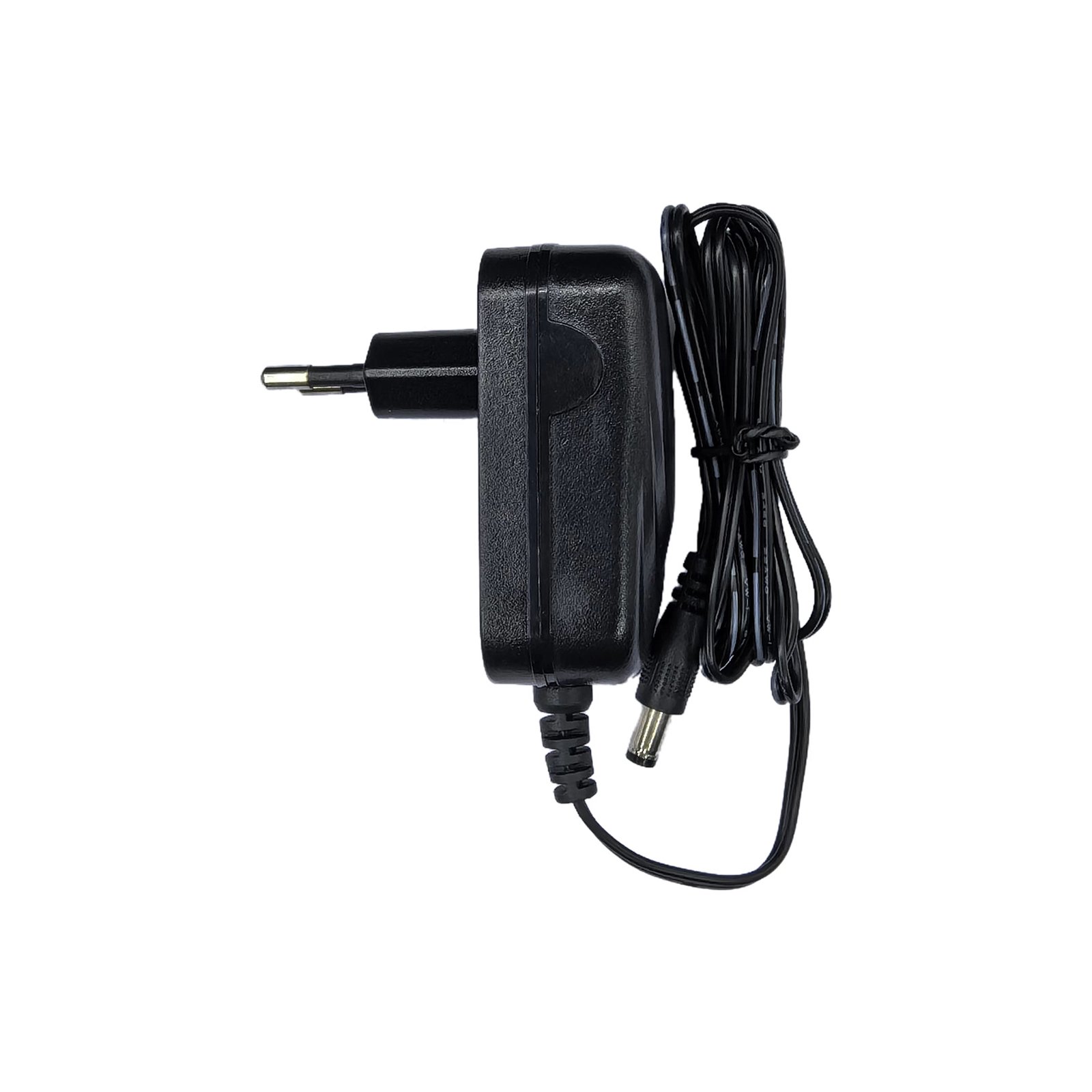


As smart home systems and IoT applications continue to expand, more buyers are looking for suitable power adapters for smart home hubs, IoT gateways, edge controllers, and wireless gateway devices. These products often need to remain online continuously, and some may support multiple wireless modules, sensors, or connected accessories at the same time. Because of that, their requirements for power adapter stability are usually higher than those of ordinary consumer electronics.
If purchasing decisions are made based on price alone while ignoring output requirements, connector compatibility, certification, and long-term supply consistency, compatibility issues and after-sales pressure can quickly appear later in the project.
Start from the actual power demand of the device
Many smart home hubs and IoT gateways use low-voltage DC input, but their actual power demand can vary. Some devices only need 5V 1A, while others may require 5V 2A, 12V 1A, or higher depending on their design and connected peripherals.
When evaluating a suitable adapter, buyers should confirm:
- rated input requirement of the device
- continuous operating current
- startup peak load
- whether external modules or USB-powered accessories are connected
If the adapter does not leave enough output margin, the device may work under light load but become unstable during networking, firmware updates, or multi-device operation.
Long-hour online equipment needs more than basic compatibility
Unlike simple consumer accessories, many smart home and IoT gateway products run 24 hours a day, 7 days a week. That means buyers should not judge an adapter only by whether a sample can power on the device. Long-term performance is equally important, including:
- full-load stability
- surface temperature control
- standby reliability
- output consistency
- batch-to-batch consistency
For smart home system integrators, building automation suppliers, and edge control equipment manufacturers, the adapter often affects the reliability of the entire system.
The output connector must match the device design
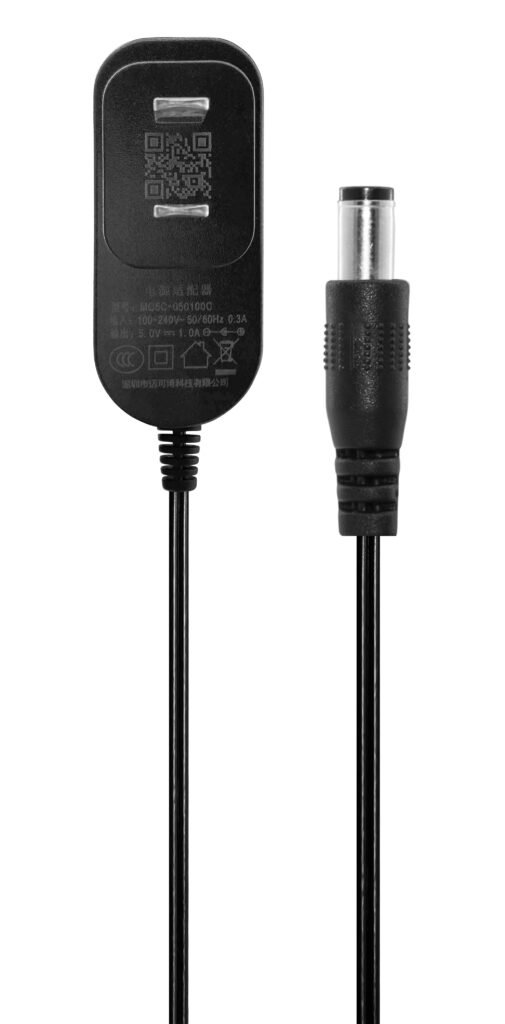
These devices do not always use the same output interface. Before placing an order, buyers should confirm:
- DC barrel plug size
- USB-A or USB-C requirement
- whether a locking connector is needed
- whether there is a special cable-end requirement
- polarity
If the adapter will be used as part of a branded device or integrated equipment package, connector type, cable length, and cable direction should ideally be confirmed during the sampling stage.
The target market determines plug type and certification needs
Many smart home products are intended for international sales, so the adapter should not be planned only for one country version. If the project covers more than one market, buyers should consider:
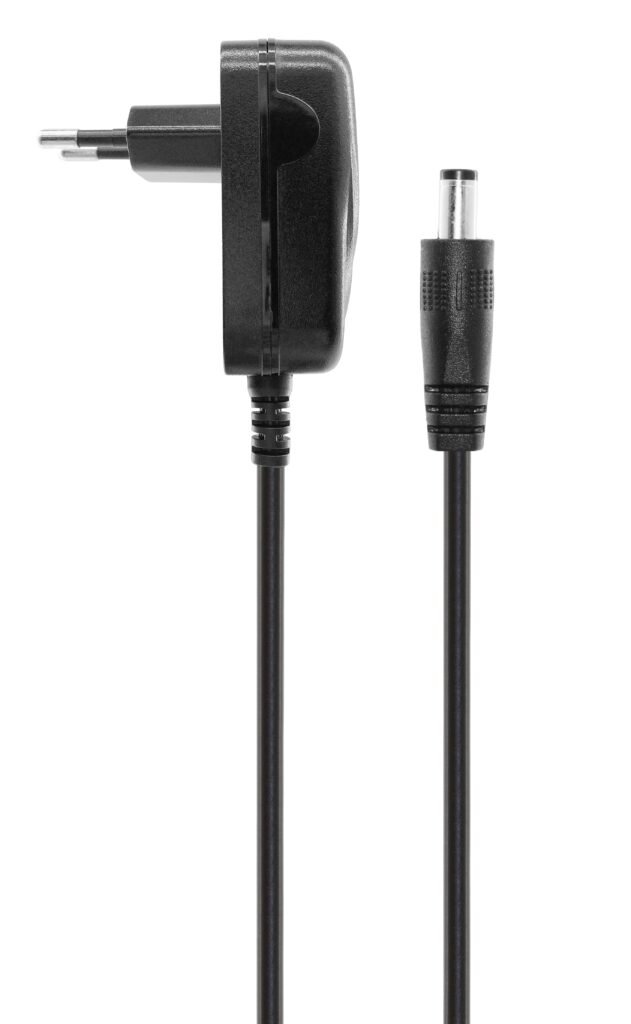
- US / EU / UK / AU plug versions
- whether to use an interchangeable plug solution
- whether the adapter must support multi-region sales
- whether market-specific compliance documents are needed
For global brands and multi-market distributors, interchangeable plug designs can reduce inventory complexity and improve supply flexibility.
Housing, label, and packaging may also matter
For smart home and IoT projects, the power adapter is not only a functional accessory. It may also affect the overall appearance and brand consistency of the final product. In addition to electrical performance, many buyers also pay attention to:
- housing color
- label layout
- private logo
- packaging design
- barcode or traceability information
If the adapter will be shipped together with a branded device, these details should be discussed early so the supplier can determine whether a standard model or OEM route is more appropriate.
Standard model or OEM solution depends on the project stage
If the project is still in the sampling or pilot stage, using a mature standard adapter platform is often the faster option. However, once the project enters stable volume supply, branded integration, or multi-market distribution, an OEM solution may offer better long-term value by helping standardize:
- output specification
- plug type
- label and packaging
- certification planning
- supply consistency
What buyers should prepare before asking for a quote
To match a suitable power adapter more efficiently, buyers should provide:
- device type
- input requirement
- output voltage and current
- connector size or connector type
- polarity
- target market
- certification needs
- initial quantity and annual demand
- whether private label or customized packaging is required
Conclusion
When choosing a power adapter for smart home hubs and IoT gateways, buyers should not focus only on voltage and price. It is more important to consider stability, connector matching, target market, certification expectations, and long-term supply capability. A suitable adapter does more than power on the device. It helps reduce after-sales risk, improves project delivery quality, and supports future volume supply.
If you are sourcing adapters for smart home hubs, IoT gateways, or edge control devices, feel free to send us your output specification, connector type, target market, certification requirements, and quantity plan. We can recommend a suitable standard model or a more project-oriented custom solution.
FAQ
1. Why do smart home hubs and IoT gateways need more careful adapter selection?
Because many of these devices run continuously and may connect to multiple modules or peripherals, which makes power stability more important.
2. Is matching the voltage enough?
No. Buyers should also confirm output current, startup load, connector type, polarity, and long-term stability.
3. What connector types are common for IoT and smart home devices?
Common options include DC barrel plugs, USB-A, USB-C, and in some cases locking connectors.
4. Should buyers consider plug type for different countries?
Yes. If the product will be sold globally, US, EU, UK, or AU plug versions should be planned early.
5. When is OEM adapter development more suitable for smart home projects?
OEM is more suitable when the project needs branding, customized packaging, multi-market planning, or stable long-term volume supply.
6. What information should buyers prepare before sending an inquiry?
Device type, electrical requirement, connector type, target market, certification needs, and quantity plan are all important.