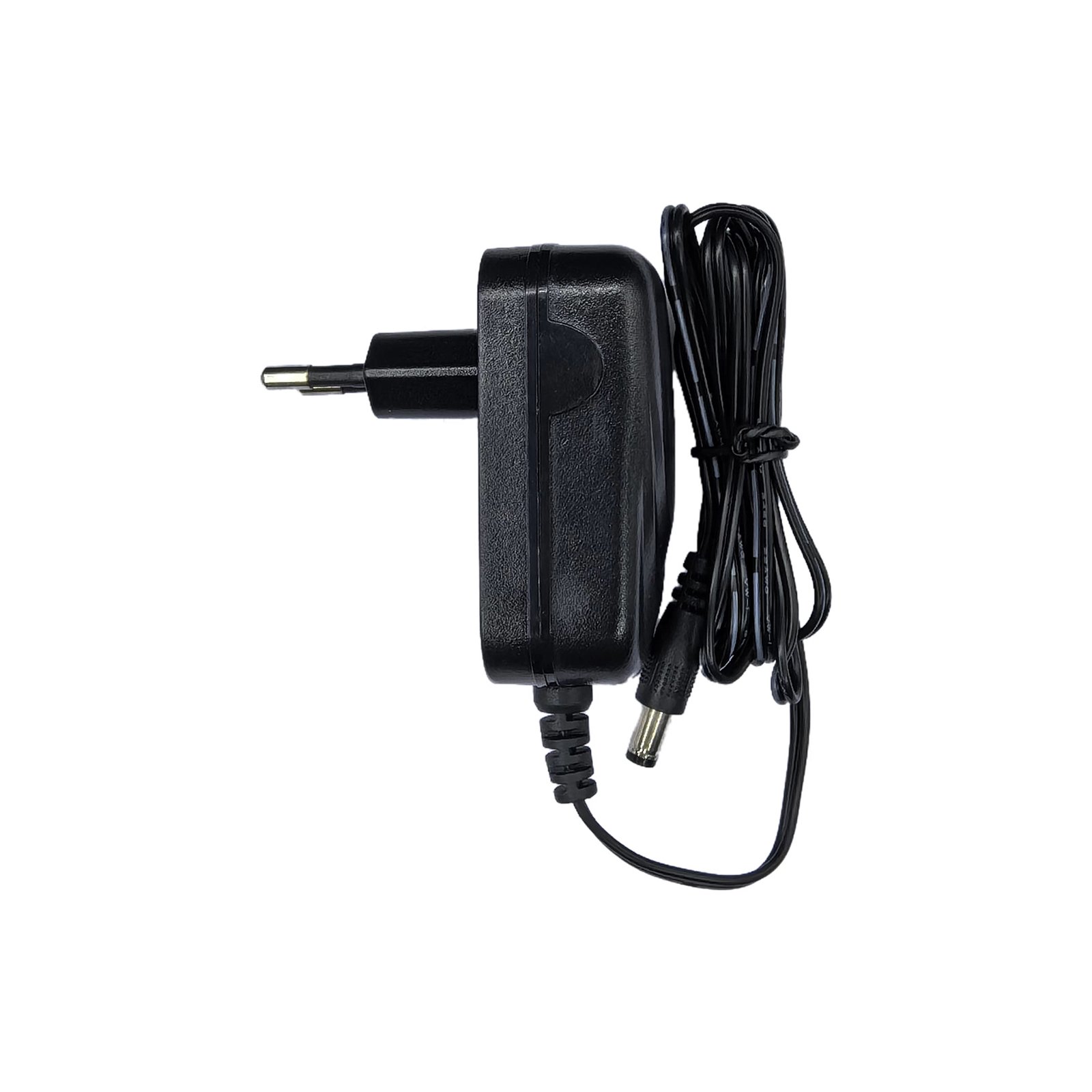


For export-oriented power adapter projects, certification is not just an optional extra. In many cases, it directly affects whether the product can enter the target market, pass customer audits, or move smoothly through the intended sales channel. Buyers often ask, “Do you have CE?”, “Can you provide UL?”, or “Is FCC required?” But without first understanding the target country, application, and channel expectations, certification can easily become a confusing topic.
For power adapters, CE, UL, and FCC serve different markets and different compliance purposes. Understanding these differences early can help buyers plan more efficiently in terms of cost, lead time, sampling, and production.
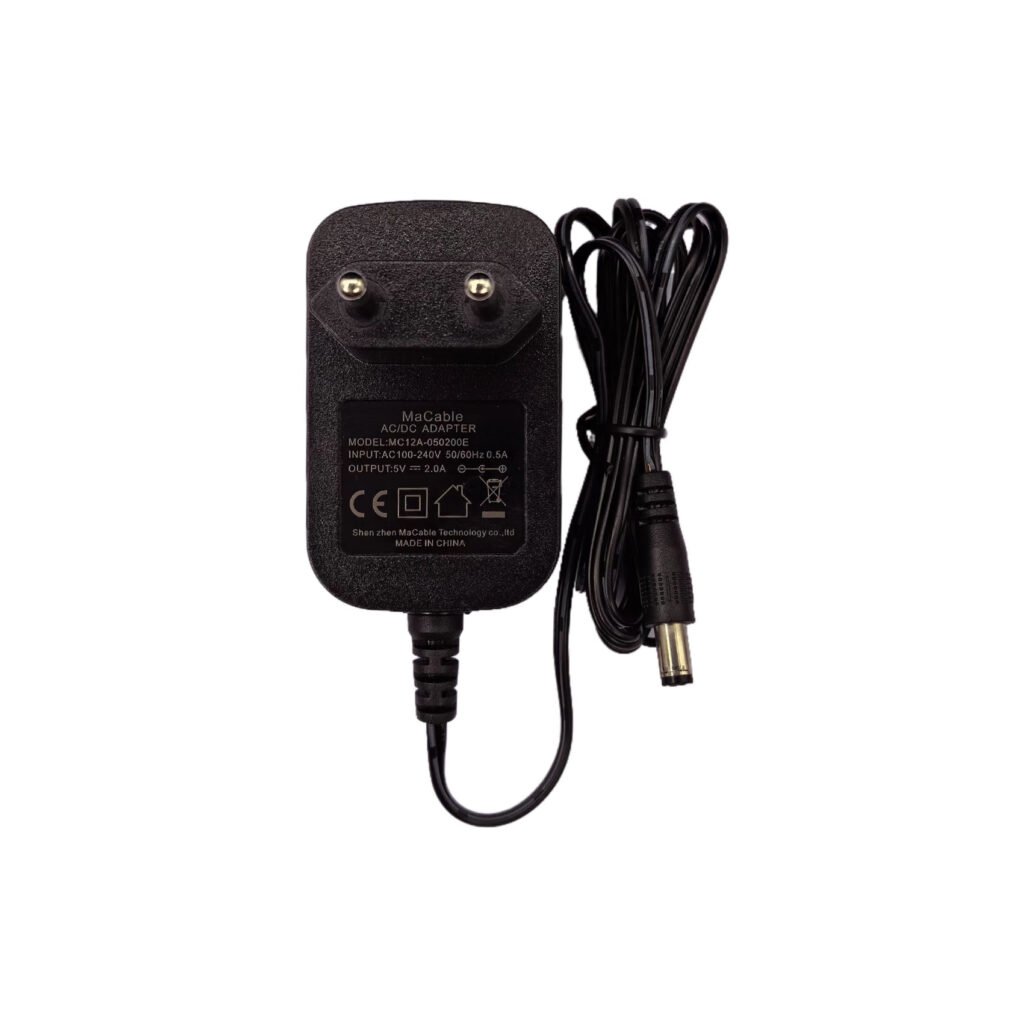
CE is mainly associated with the European market
If your power adapter will be sold in the European Union, CE is usually one of the basic requirements. For buyers, CE is generally understood as a key compliance step for entering the European market. It is often connected to product safety, EMC, and general conformity expectations.
CE is commonly relevant when:
- the product will be sold in EU countries
- the adapter is supplied together with equipment exported to Europe
- the buyer or channel requires CE-related compliance documents
- labeling, packaging, and manuals must meet European sales expectations
For many European projects, it is not enough for the product to function properly. Supporting technical documentation and compliant labeling also matter.
UL is more important in North American projects
If your project is intended for the United States, especially for branded supply, retail channels, or long-term OEM business, UL may be highly relevant. Compared with general export projects, UL tends to carry stronger weight in the North American market because many customers use it as a practical reference for product acceptance and supply chain entry.
UL is commonly relevant when:
- the target market is the United States
- the customer explicitly requests UL
- the importer or brand owner has internal safety approval requirements
- the product needs stronger acceptance in local channels
For many North American buyers, UL is not only about safety compliance, but also about supplier credibility and project readiness.
FCC mainly relates to electromagnetic compatibility
FCC is sometimes misunderstood as a general “US safety certification,” but in reality it is more closely associated with electromagnetic compatibility requirements. For power adapters entering the US market, FCC is often part of the compliance discussion, especially when the adapter is used with communication, networking, or consumer electronics equipment.
FCC is commonly relevant when:
- the product is sold into the United States
- the adapter supports consumer electronics or communication products
- the buyer requires US market compliance support
- the export project needs a more complete compliance file
In many cases, buyers do not ask for only one certification. Instead, they may consider both safety and EMC requirements together depending on the final market and application.
Not every project needs the same certification combination
The right certification for a power adapter depends not only on the product itself, but also on how and where it will be sold. The same 5V adapter may face very different certification expectations depending on the project:
- for general wholesale export, the requirement may be relatively basic
- for branded OEM projects, certification expectations are usually more complete
- for US projects, UL and FCC often receive more attention
- for European projects, CE-related compliance is usually more important
- for multi-country distribution, planning regional versions in advance is often necessary
For this reason, the better question is not simply “Do you have this certificate?” but rather “What certification route is appropriate for this market, channel, and product application?”
Certification affects quotation, lead time, and MOQ
For buyers, certification is not only a technical matter. It also affects commercial terms, including:
- unit price
- sample lead time
- label and packaging adjustment
- documentation preparation
- production planning
- overall delivery schedule
If certification direction is not clarified at the beginning, later changes may increase both time and cost, and in some cases earlier samples may no longer be suitable.
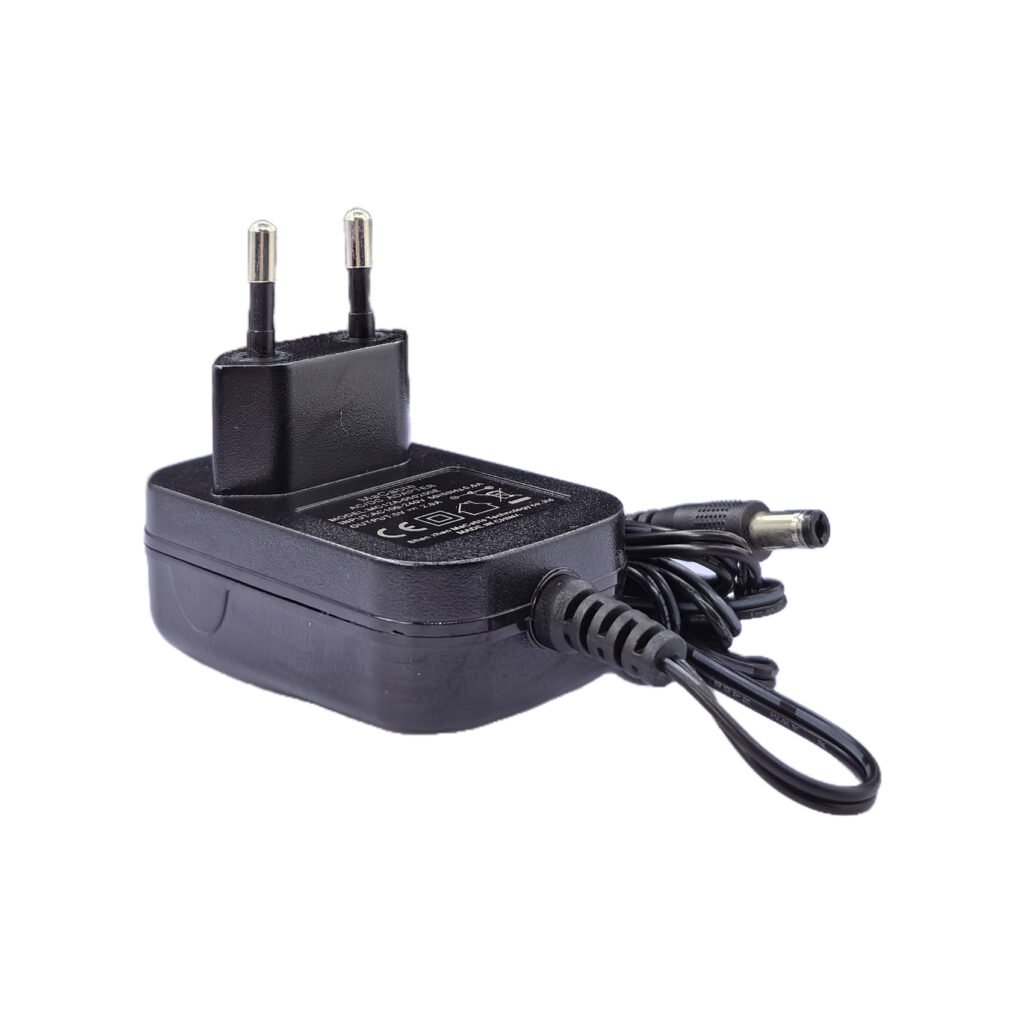
When a standard certified model is enough, and when OEM planning is better
If you are buying a standard model for a clearly defined market, choosing an existing compliant platform is often the fastest approach. However, if you are working on a branded device, bundled equipment shipment, or long-term supply program, it is usually better to plan certification, labeling, and packaging from the OEM stage.
This helps avoid repeated revisions later and supports more consistent market execution.
What buyers should share when asking about certifications
To evaluate which certification your power adapter may need, it is helpful to provide:
- target country or region
- device application
- whether it will enter retail or branded channels
- whether the project is OEM / ODM
- initial quantity and long-term demand
- whether private label, customized label, or retail packaging is needed
With this information, the supplier can give a much more useful recommendation than a generic “yes” or “no.”
Conclusion
CE, UL, and FCC apply to different markets and different compliance needs. One does not simply replace the others. For power adapter projects, the right approach is not to pursue “as many certifications as possible,” but to choose the certification path that fits your target market, sales channel, device type, and project positioning.
If you are evaluating a power adapter project, feel free to share your target country, device application, output requirement, expected quantity, and certification preference. Based on your market and project needs, we can suggest a suitable standard product or a more complete OEM supply solution.
FAQ
1. Is CE required for power adapters sold in Europe?
For many European projects, CE-related compliance is an important requirement and should be considered early in the sourcing process.
2. Is UL mainly for the US market?
Yes. UL is commonly associated with North American projects, especially when the buyer needs stronger market acceptance or branded supply support.
3. Is FCC the same as a safety certification?
No. FCC is mainly related to electromagnetic compatibility requirements rather than general electrical safety.
4. Do all power adapter projects need CE, UL, and FCC together?
No. The required certification depends on the target market, application, customer requirements, and sales channel.
5. Can certification affect price and lead time?
Yes. Certification requirements may affect quotation, sampling, labeling, packaging, and delivery schedule.
6. What information should buyers share before discussing certification?
Target country, device application, order quantity, sales channel, and whether the project is OEM or ODM are all helpful.