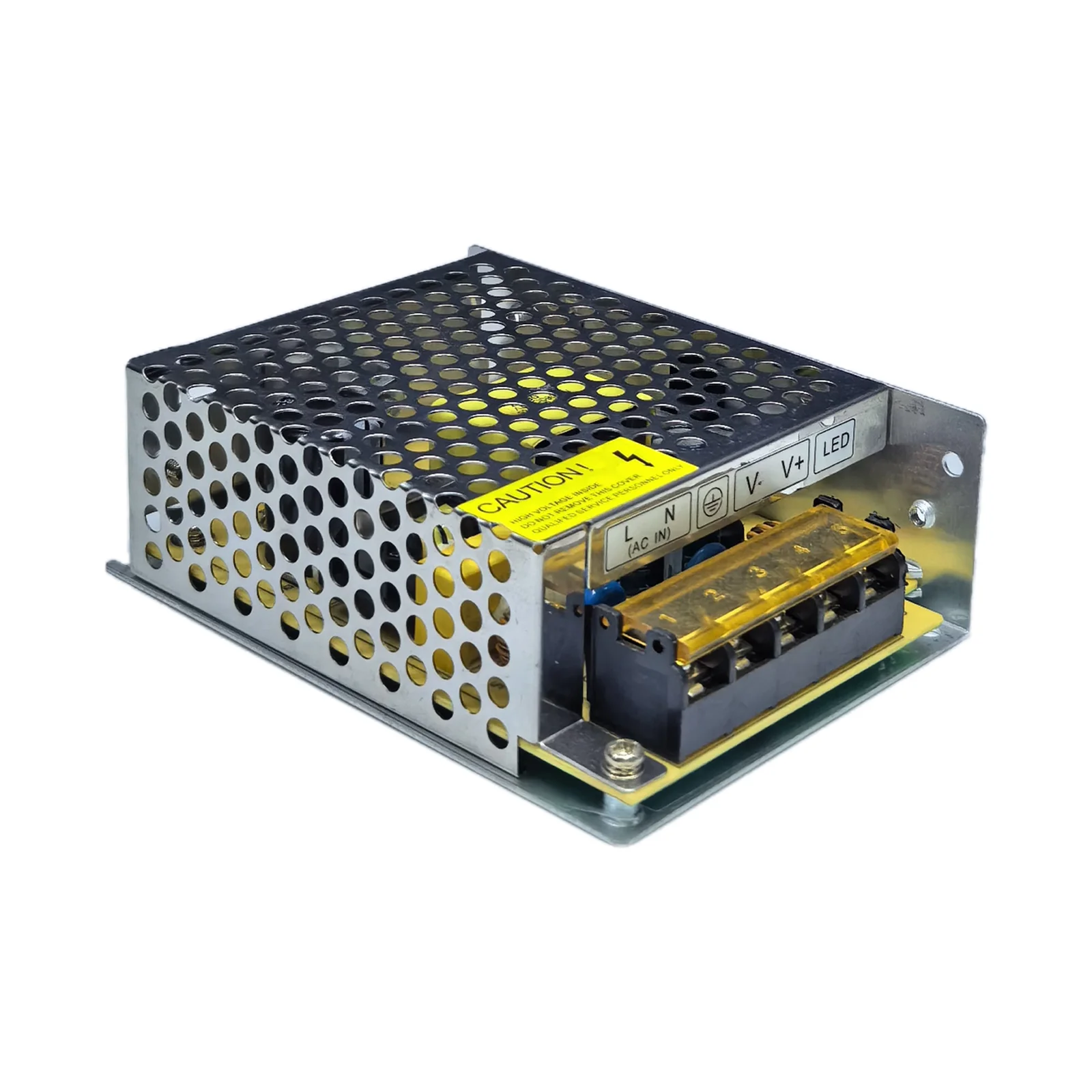


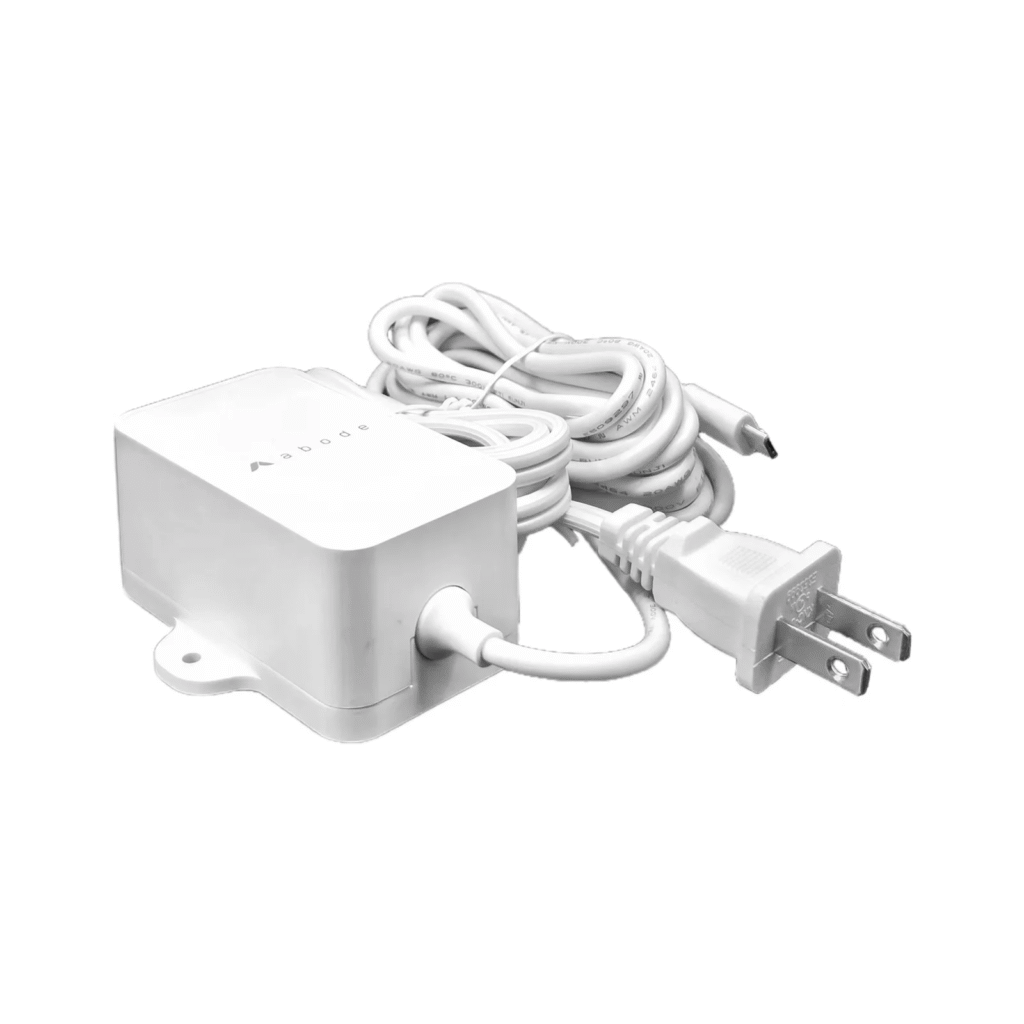
When designing a security installation — whether a home CCTV system, a small office access-control setup, or a remote alarm sensor — choosing the right power adapter is often overlooked. Yet, using the wrong power adapter can cause device instability, random shutdowns, or even damage. In this article, we’ll walk through the key factors you should consider when selecting a low-voltage (3–6 V) AC-DC adapter, and explain why a high-quality universal 3–6 V / 12 W power adapter is often the best choice.
🔧 Key Factors When Choosing a Power Adapter for Security / Embedded Devices
1. Match Voltage & Current Requirements — and leave a margin
- First verify your device’s required DC voltage (e.g., 3 V, 5 V, or 6 V) and its maximum current draw. Security cameras, access controllers, locks, sensors — all have their own specs. Using an under-spec’d adapter may lead to flickering, resets or failure.
- It’s good practice to choose an adapter whose rated output is 20–30% higher than the device’s maximum draw, to handle power surges, startup current, and future expansion.
2. Stability & Protection: don’t skimp on safety features
- A reliable adapter should offer over-current protection (OCP), over-voltage protection (OVP), and short-circuit protection (SCP). This prevents device damage if something goes wrong — e.g., a short circuit in wiring, or a surge from the mains. Many low-cost “white label” adapters skip or skimp on these protections.
- For security devices that are often on 24/7 (CCTV, door locks, sensors), stable DC output and robust protections help reduce maintenance and failure rates.
3. Efficiency and Heat / Energy Considerations
- Even for low-wattage devices, efficiency matters. A more efficient adapter generates less waste heat, is more reliable long-term, and consumes less energy over time.
- If your installation includes multiple devices (locks + sensors + cameras), total energy savings and lower heat dissipation become meaningful.
4. Flexibility — Universal 3–6 V Output Covers Multiple Devices
- Many installations use devices with different voltages (e.g. some at 5 V, others at 6 V). A 3–6 V universal adapter can cover multiple device types, simplifying inventory and maintenance.
- For system integrators or installers, this reduces the number of adapter types you need to stock.
⚙️ Why a 3–6 V / 12 W Universal Power Adapter Often Wins
Using a universal 3–6 V, 12 W power adapter gives you:
- Wide input voltage compatibility (e.g. 100–240 V AC) — suitable for projects worldwide.
- Adjustable output (3–6 V), 2 A max — enough for most small cameras, locks, sensors, access panels, embedded boards etc.
- High reliability & protection — with built-in OVP / OCP / SCP, you guard against over-current, short-circuit, voltage spikes, and unexpected surges from mains.
- Simplified inventory & logistics — one adapter covers many device types, reducing SKU count and purchase complexity.
- Scalability — for future additions of devices with different low-voltage requirements.
✅ Quick Checklist Before You Order
Before selecting (or recommending) a power adapter, ask yourself:
- Does the adapter output the exact voltage my device requires (or is adjustable within ± some tolerance)?
- Is its rated current (or wattage) at least 20–30% above my device’s maximum draw?
- Does it provide surge / over-current / short-circuit protection?
- Is its input voltage compatible with the region’s mains (e.g. 100–240 V AC)?
- If I manage multiple device types: can one adapter model cover them all (e.g. 3–6 V universal)?
📩 Final Thought & Call to Action
If you’re planning a security installation — small or large — and want to avoid the headaches of mismatched adapters, overheating, or device resets: consider a high-quality 3–6 V / 12 W universal AC-DC power adapter.
Send us your list of device voltage/current specs, and we’ll help you check whether one (or a few) of our universal adapters can cover the whole project — making your installation simpler, safer, and more cost-effective.